

In 1976, the United States celebrated its 200th birthday. To honor the nation’s bicentennial, the U.S. Mint released a special quarter that has since become one of the most iconic coins in American history — the 1976 Bicentennial Quarter. While most of these coins are only worth 25 cents, some rare versions have sold for thousands, and in exceptional cases, up to $3 million.
If you’ve got one of these quarters in your pocket change or coin jar, you may be holding a hidden treasure.
What Makes the 1976 Bicentennial Quarter Special?
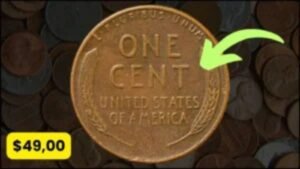
The Bicentennial Quarter stands out because of its unique design. Unlike standard quarters, it features:
- Obverse (front): George Washington’s portrait with dual dates 1776–1976
- Reverse (back): A colonial drummer boy with a torch encircled by 13 stars representing the original colonies
This design, created by artist Jack L. Ahr, was produced for just two years, making it a standout piece in American coinage.
How to Identify Rare Bicentennial Quarters
Not all Bicentennial Quarters are valuable, but certain traits make some worth a fortune. Here’s what to look for:
- Mint Mark: Located near Washington’s braid
- Philadelphia: No mint mark
- Denver: “D” mint mark
- San Francisco: “S” mint mark (often more valuable)
- Composition: Some San Francisco quarters were struck in 40% silver instead of the common copper-nickel.
- Weight:
- Standard copper-nickel: 5.67 grams
- Silver version: 5.75 grams
- Minting Errors: Double dies, clipped planchets, or coins struck on the wrong metal can skyrocket a coin’s value.
Comparison Table: Common vs. Rare Bicentennial Quarters
| Feature | Common Quarter | Rare Quarter (Valuable) |
|---|---|---|
| Material | Copper-Nickel | 40% Silver |
| Weight | 5.67 grams | 5.75 grams |
| Mint Mark | None or D | Usually “S” |
| Errors | None | Double die, off-metal, clipped |
| Value | 25¢ – $10 | Up to $3 Million |
Why Condition Matters

The grade and condition of a Bicentennial Quarter heavily influence its value. Collectors look for:
- Uncirculated coins with no signs of wear
- Proof coins with mirror-like finishes (often minted in San Francisco)
- Error coins in pristine condition
For example, a 1976-D quarter missing its outer layer, exposing the copper core, was once valued close to $3 million.
Tips for Collectors and Treasure Hunters
If you want to check your coins or start collecting, keep these tips in mind:
- Always check your change — rare quarters sometimes show up in circulation.
- Use a magnifying glass to inspect details like double lettering or clipped edges.
- Weigh the coin with a precise digital scale to check for silver content.
- Store valuable coins in protective holders to maintain their condition.
- Buy and sell only through trusted coin dealers or auction houses.
- Research recent auction sales to understand market value.
Could You Have a Million-Dollar Quarter?

Finding a Bicentennial Quarter worth thousands or even millions is rare, but not impossible. With millions of these coins still in collections and circulation, it’s worth taking a closer look at the ones you own. By checking the mint mark, weight, condition, and errors, you might just discover that your spare change is worth a small fortune.
FAQs About the 1976 Bicentennial Quarter
What makes the 1976 Bicentennial Quarter valuable?
Rare versions contain silver, minting errors, or are in top uncirculated condition.
How do I spot a rare Bicentennial Quarter?
Check for an “S” mint mark, silver content (5.75 grams), and unusual errors.
What does the Bicentennial Quarter look like?
Washington’s portrait with 1776–1976 dates on the front, and a drummer boy with 13 stars on the back.
How much is a rare one worth?
Most are worth 25¢, but rare error or silver-proof coins can be valued from thousands up to $3 million.
Where can I sell a rare Bicentennial Quarter?
Through trusted coin dealers, auctions, or grading services like PCGS or NGC.